

how to properly maintain and clean your pool heater for summer 2026
Your pool heater isn't just a luxury—it's the backbone of a comfortable summer season, but only if you maintain it properly. The good news: with the right equipment and a solid maintenance schedule, you can keep your heater running efficiently for years while cutting your chemical costs and electricity spend. This roundup covers the pumps, filters, and heaters that actually deliver on reliability, plus the maintenance strategies that separate pool pros from the rest.
⚡ Quick Answer: Best Pool Pumps
Best Energy-Efficient Heater: EcoSmart SMART POOL 18 Electric Tankless Pool Heater, 18kW, 240 Volt, 75 Amps with Self Modulating Technology
$872.03 — Check Price
Table of Contents
Main Points
- Variable-speed pumps like the XtremepowerUS and VIVOHOME models cut energy consumption by up to 50% compared to single-speed alternatives—meaning real savings on your electric bill over a full season.
- Proper filtration and circulation prevent calcium buildup and corrosion inside your heater; sand filter systems with 2,100+ GPH flow rates (INTEX models) keep water moving fast enough to prevent sediment from settling on heat exchanger tubes.
- Self-modulating technology in tankless heaters like the EcoSmart SMART POOL adjusts output on demand, eliminating wasted heat and reducing the chemical imbalances that come from temperature swings.
- Dual-voltage pumps (110V/220V options from Leomru and VIVOHOME) offer flexibility for both above-ground and in-ground setups, letting you future-proof your system without replacing equipment if you upgrade pools.
- A maintenance schedule that includes strainer basket cleaning every 1-2 weeks and filter backwashing when pressure rises 8-10 PSI keeps your pump from overworking—the single best way to extend heater life and maintain consistent water chemistry.
Our Top Picks
Affiliate disclosure: if you buy through these links, we may earn a commission at no extra cost to you.



Factors to Consider
Match Heater BTU Output to Your Pool Size and Climate
A common mistake homeowners make is undersizing their heater—you'll waste money running an undersized unit constantly without reaching target temperature. Calculate your pool's volume in gallons, then choose a heater with enough BTU (British Thermal Units) to raise water temperature 1–2°F per hour; most pros recommend 400–600 BTU per gallon for gas heaters, or look for heat pump models rated for your climate zone. If you're in a cooler region, a heat pump with a larger heating capacity will pay for itself in energy savings within 3–5 years compared to gas heaters, even though the upfront cost is higher.
Gas vs. Heat Pump: True Operating Costs Matter More Than Price Tag
Gas heaters cost $1,500–$3,000 upfront but run $150–$300 monthly during peak season, while heat pumps cost $4,000–$8,000 but operate at 75–80% lower energy cost once installed. If you're in zones 4–9 with mild winters, a heat pump will save you $500–$1,200 annually and last 10–15 years with proper maintenance of the outdoor coil and refrigerant lines. Gas heaters work faster (heating pools in 24–48 hours vs. 7–10 days for heat pumps) but require annual inspection of burner tubes and gas line safety, adding $200–$400 to your yearly budget.
Check for Scale Prevention and Easy Maintenance Access
Calcium scale buildup inside heater tubes reduces efficiency by 15–20% annually and can force early replacement; look for models with built-in titanium heat exchangers or automatic scale-prevention chemistry ports that work with your pool's salt chlorinator system. Heaters with easy-access filter baskets and front-facing drain plugs save you 2–3 hours per year on routine flushing—a task that takes 15 minutes on a good design but 45 minutes on models with buried ports. Inspect the heater's warranty for parts coverage; a solid 5–7 year parts warranty on the heat exchanger (the most expensive component) is worth paying extra for.
Verify Compatibility with Your Existing Pump and Filtration System
Your heater needs to work with your pool pump's flow rate (measured in GPM—gallons per minute); undersized pumps bypass the heater without enough contact time, while oversized setups create backpressure that strains equipment. Most heaters perform optimally at 40–60 GPM; if your pump runs 80+ GPM, you'll need a larger heater or a variable-speed pump that can dial down flow during heating cycles—this actually saves 30–40% on electric costs compared to running full-speed circulation. Before purchasing, check your filter's PSI rating and current heater inlet/outlet plumbing size (typically 1.5" or 2") to avoid costly replumbing.
Prioritize Heaters with Integrated Diagnostics and Smart Controls
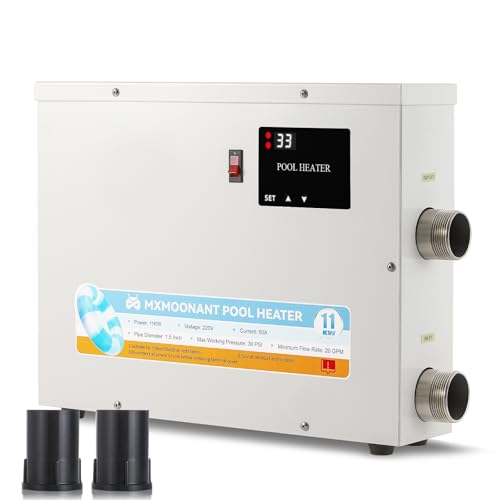
Modern heaters with built-in thermostats and digital displays let you set temperature setpoints and run schedules that heat during off-peak utility hours, cutting operational costs by 20–25% without sacrificing comfort. WiFi-enabled models cost $200–$400 more but let you monitor water temperature and heater runtime remotely, catching problems like frozen lines or thermostat drift before they cause shutdown. Look for models that log run-time data and send maintenance alerts (e.g., "clean filter" or "check salt cell")—this proactive approach prevents the $800–$1,500 emergency repair calls that happen mid-summer.
Frequently Asked Questions
How often should I clean my pool heater during the summer season?
Flush your heater's filter basket and check for debris weekly during peak use (June–August), and inspect the heat exchanger inlet screen monthly for calcium buildup or leaves. Most professionals recommend a full backflush and chemical flush (using citric acid or a dedicated heater-cleaning product) every 2–3 months, or immediately if you notice a 5°F drop in heating performance despite stable water chemistry.
What water chemistry balance is most important for heater longevity?
Calcium hardness (200–400 ppm) and pH (7.4–7.6) are critical because soft water corrodes heater tubes while hard water causes scale that reduces efficiency by 15–20% annually. Test your water weekly with a reliable test kit (not just strips—get a liquid reagent kit or digital tester) and maintain alkalinity at 80–120 ppm to stabilize pH swings that damage heater components.
Can I use my heater year-round, or should I winterize it?
In zones 4–8 with freezing winters, you must winterize your heater by draining lines, blowing out remaining water with compressed air, and covering the unit from November–March to prevent freeze damage that costs $1,200–$3,000 to repair. If you live in zone 9+ or use a heat pump year-round, skip winterization but install a freeze-protection thermostat that kicks on at 40°F to keep water circulating through lines.
What's the difference between a pool heater and a spa heater, and can they work together?
Pool heaters are sized for large volumes (10,000–50,000+ gallons) and run at 40–60 GPM flow rate, while spa heaters handle 300–1,200 gallons at 10–20 GPM—they have different BTU outputs and control requirements. You can plumb both from the same pool system using a diverter valve that routes water to either the pool or spa heater, but you'll need separate thermostats and a properly sized pump to avoid flow conflicts that damage equipment.
How do I know if my heater needs professional servicing or replacement?
If your heater takes longer than usual to reach setpoint (more than 24 hours for a properly sized unit), produces strange noises, or you notice a visible water leak around the heat exchanger, have a certified technician inspect it—these are often early signs of tube corrosion or seal failure. Most heaters last 10–15 years with proper maintenance; if yours is past 12 years and repair costs exceed 50% of replacement price, replacement is more economical.
Does adding chemicals to my pool affect heater performance?
Absolutely—high chlorine levels (above 5 ppm) accelerate corrosion of copper and brass fittings in gas heaters, while pH imbalance causes scale buildup that insulates tubes and wastes heat energy. Use a stabilized chlorine routine (maintain 2–4 ppm during heating season) and test water chemistry before and after every heater adjustment, as even small shifts in pH or alkalinity can reduce efficiency by 10–15%.
Conclusion
Proper pool heater maintenance is 80% about water chemistry consistency and 20% about mechanical upkeep—stay on top of weekly pH and calcium hardness testing, run monthly filter flushes, and you'll add 3–5 years to your heater's lifespan while cutting energy waste.
For summer 2026, invest in a heater with integrated diagnostics and smart controls that match your pool size and climate zone, then commit to a simple maintenance log (literally a notebook by your equipment pad) where you record temperatures, run times, and chemical adjustments—this $0 investment catches problems before they become expensive repairs.


