

How To Choose Pool Test Kits
When selecting a pool test kit, consider your needs for accuracy and convenience. Test strips offer a fast, affordable option for routine checks but may lack precision for high chlorine levels. DPD liquid test kits provide higher accuracy by separating free and combined chlorine, making them a professional-standard choice for regular maintenance. Digital photometers offer the highest precision through electronic analysis but are often more expensive. Choose the method that best balances your desired accuracy with your maintenance goals.
Quick Answer
When choosing a pool test kit, consider your needs for accuracy and convenience. Test strips offer a fast, affordable option for quick routine checks, though they may be less accurate for high chlorine levels. DPD liquid test kits are a professional-standard option that can separately measure free and combined chlorine, making them suitable for regular maintenance. Digital photometers provide the highest precision through electronic analysis but are often more expensive.
Table of Contents
Our Top Picks
Affiliate disclosure: if you buy through these links, we may earn a commission at no extra cost to you.
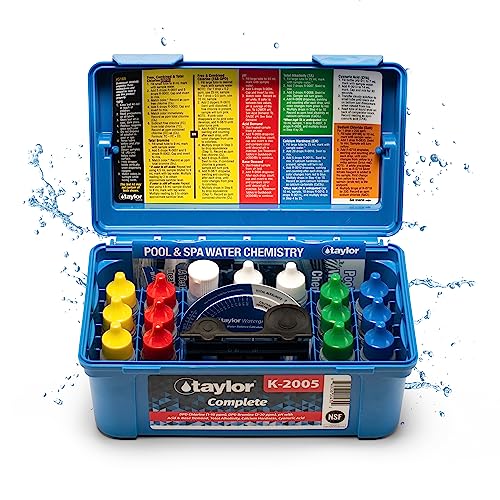

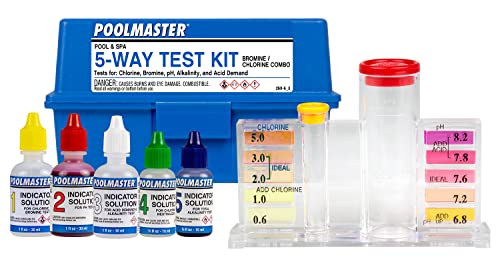
Comparing Pool Water Testing Methods
When comparing pool water testing methods, three primary options are available: pool test strips, DPD liquid test kits, and digital photometers. Each approach provides different levels of accuracy and cost-effectiveness. Test strips offer moderate accuracy and are often used for quick, routine checks. These kits are generally the most affordable option, typically ranging from $10 to $20, but they do not measure free and combined chlorine separately. For those seeking higher accuracy, DPD liquid test kits provide a more precise measurement for regular pool maintenance. These kits generally cost between $20 and $50 and possess the ability to measure free and combined chlorine separately. For users requiring the highest level of precision, digital photometers are an option. These devices offer very high accuracy and can also distinguish between free and combined chlorine levels. However, they represent a higher cost, often ranging from $100 to $300 or more. The choice between these methods depends on whether a user prioritizes convenience, cost, or the specific need for advanced measurement capabilities. While test strips are suitable for basic checks, DPD kits and digital photometers provide the specialized ability to separate chlorine measurements, making them useful for more detailed maintenance tasks.
Choosing Between Test Strips and DPD Kits
When deciding between test strips and DPD kits, the appropriate selection depends on specific user goals and testing requirements. Test strips may be a suitable choice for those who prioritize convenience and need a budget-friendly option for quick daily checks. These tools are often selected when the primary objective is ease of use for routine monitoring. In contrast, a DPD test kit might be the preferred option for individuals who manage their own pool chemistry and desire professional-level accuracy. These kits are useful when it can help to obtain separate readings for free and combined chlorine levels. Selecting a DPD kit allows for more detailed chemical management compared to the simplified approach of test strips. The decision-making process involves weighing the need for speed and convenience against the need for precision and detailed data. If the goal is a simple, fast check, test strips serve that purpose. If the goal is to maintain precise chemical balances through more advanced measurements, a DPD kit may be more appropriate. Ultimately, the choice rests on whether the user requires a basic, convenient tool or a more detailed method for managing water chemistry.
Effective Sample Collection Techniques
To achieve accurate results during water testing, the method of collecting a water sample is critical. For the most reliable readings, water should be collected from the center of the pool rather than near the edges. It is important to avoid taking samples directly from return jets or near skimmer openings, as these areas can skew results. Additionally, one should avoid collecting only surface water. Instead, the sample should be taken from at least 12 to 18 inches below the water surface. When testing at home, consistency is key to maintaining accurate data. For example, if you take a water sample to a pool store for testing, you should collect it from the same depth and location used for your own home testing to ensure consistent comparisons. In environments with multiple testing points, collecting samples from multiple locations and averaging the results can also be an effective technique. Avoiding dead spots where circulation is poor helps ensure the sample represents the overall pool chemistry. By following these placement and depth principles, testers can avoid common errors associated with improper sample collection and achieve more dependable results for their maintenance needs.
Establishing a Testing Schedule
To maintain balanced water, consistent testing is essential. When establishing a testing schedule, the frequency of checks depends on the specific parameter being measured. For summer conditions, certain levels require more frequent monitoring to ensure stability. Free chlorine and pH levels may be tested every two to three days to manage fluctuations. Total alkalinity should be checked on a weekly basis to maintain proper buffering. Other parameters require less frequent attention but remain vital to the testing routine. Combined chlorine levels may be monitored weekly to ensure water quality. Cyanuric acid levels might be checked every four to six weeks, depending on the specific needs of the pool environment. Calcium hardness can be measured on a monthly basis. By following these varying intervals, a testing schedule can address the different rates at which chemical levels change. Distinguishing between these frequencies allows for a structured approach to water chemistry. While some parameters require adjustments every few days, others only need periodic verification to ensure the water remains within desired ranges. This structured approach helps manage the different chemical requirements of the pool through regular, scheduled monitoring of each specific parameter.
Avoiding Common Testing Mistakes
To avoid common testing mistakes, users should focus on proper sample collection and careful handling of testing materials. One frequent error is collecting water too close to return jets or skimmers, which can skew readings. Testing immediately after adding chemicals can also lead to inaccurate results; waiting at least four hours is a recommended practice. When using testing materials, avoid using expired test strips or reagents. For liquid kits, ensure test cells are rinsed between uses to prevent contamination. Users should also avoid touching dropper tips to prevent contaminating reagents. Regarding timing, it is important not to wait the incorrect amount of time before reading results. For test strips, colors may need to be compared within the specified timeframe to prevent errors as colors continue to develop. Additionally, performing color comparisons in poor lighting can lead to inaccurate interpretations. Maintaining accuracy may involve replacing reagents and strips annually. By avoiding these specific pitfalls—such as testing in dead spots or failing to rinse equipment—users can work toward more reliable water analysis. Following these principles helps prevent errors caused by improper depth, contaminated reagents, or incorrect timing during the testing process.
Frequently Asked Questions
How do test strips compare to DPD liquid test kits in terms of accuracy?
Test strips offer moderate accuracy and are suitable for quick routine checks, but they may become unreliable when chlorine levels exceed 5 ppm. In contrast, DPD liquid test kits provide high accuracy and serve as a professional standard. Unlike strips, DPD kits can separately measure free, total, and combined chlorine to provide a clearer sanitation picture.
What is the best depth to collect a water sample for testing?
To obtain a representative sample, plunge the collection bottle or tube elbow-deep. This should be approximately 12 to 18 inches below the surface. For the best results, ensure the sample is collected away from skimmers and return jets rather than scooping from the surface.
Why should you avoid testing near return jets?
Testing near return jets should be avoided because the water in those areas contains freshly treated water. Because this water does not represent the overall pool conditions, testing in this location can produce false readings. For more accurate results, samples should be collected from the center of the pool.
How often should free chlorine and pH be tested during the summer?
During the summer, it is recommended to test free chlorine and pH levels every two to three days. Maintaining this frequency helps manage water chemistry during warmer months, while other parameters may only require weekly or monthly testing.
What is the benefit of using a DPD kit for chlorine management?
DPD liquid test kits offer professional-level accuracy for chlorine management. They allow users to separately measure free, total, and combined chlorine. By using DPD-1 and DPD-3 reagents, owners can calculate the difference between readings to identify combined chlorine levels. This process helps detect chloramine buildup and provides a clear picture of sanitation levels.
To select a testing method, consider your specific needs. Test strips offer a fast, budget-friendly option for routine checks. For more professional-level accuracy and the ability to distinguish between free and combined chlorine, a DPD liquid test kit may be appropriate. For those requiring maximum precision, such as commercial operators, digital photometers provide the highest level of accuracy.


