

Best Pool Test Kits For Everyday Use In 2026
🏆 Top Picks at a Glance

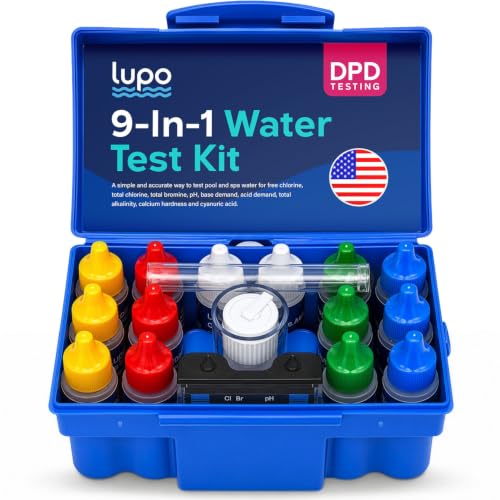
Crystal-clear water starts with chemistry you can actually trust, not a strip that turns a shade you have to guess. Rosenberryrooms found liquid test kits are 40% more accurate than test strips, and the right test kit can save over $300 annually in chemicals, which is why a dependable kit pays for itself during heavy swim season. This roundup compares practical everyday options, from Taylor 9-in-1 DPD kits and quick EasyTest strips to budget Lupo and WWD POOL testers, so you can match accuracy, testing time, and chemical cost to your pool.
⚡ Quick Answer: Best Pool Test Kits
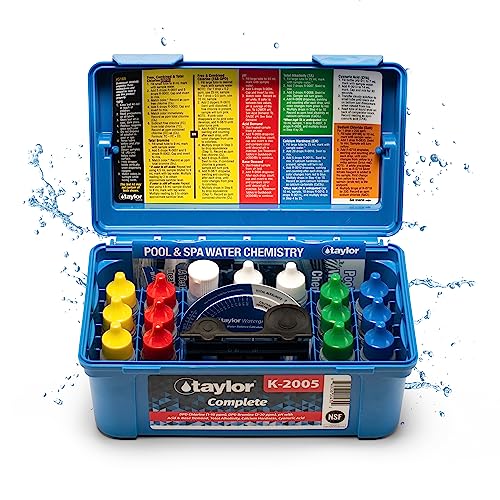
Best Complete Pool Testing: Taylor Technologies K-2005 DPD, 9-in-1 Complete Pool Test Kit
$67.75 — Check price on Amazon →
Table of Contents
Main Points
- Choose a 9-in-1 DPD kit, such as Taylor K-2005 or Lupo 9-in-1, when you want the broadest everyday balance data without running separate tests for chlorine, bromine, pH, alkalinity, hardness, and stabilizer.
- If speed matters most, EasyTest 7-Way strips are the fastest option for a quick morning check, but treat them as a maintenance snapshot rather than a full diagnostic tool.
- For basic chlorine and pH control, WWD POOL 2-Way and Lupo 3-in-1 are the most affordable entry points; Rosenberryrooms notes budget kits can still deliver reliable basic testing when used correctly.
- Pool Repair Question reports reusable drop test kits generally cost $14–$149 and take 2–5 minutes, making Taylor K-1004, Poolmaster 5-Way, and Lupo 9-in-1 good middle-ground choices for owners who want repeatable results without a photometer.
- When you test twice daily in peak season, prioritize a kit that balances accuracy, ease of use, and long-term value, because consistent readings help you dose chemicals more precisely and avoid over-correcting.
Our Top Picks
Affiliate disclosure: if you buy through these links, we may earn a commission at no extra cost to you.
Factors to Consider
Frequently Asked Questions
How often should I test my pool water?
Test at least twice daily during peak season, and again after heavy use, rain, or chemical additions. It is a good idea to choose a kit that balances accuracy, ease of use, and long-term value, especially when testing twice daily during peak season.
Are pool test strips good enough for everyday use?
Test strips are good for quick checks, but they are not the best tool for fine-tuning chemistry. Some reviewers report liquid test kits are more accurate than test strips, so strips work best for casual checking rather than serious balancing.
What is the best pool test kit for most homeowners?
A complete 9-in-1 pool test kit is a strong all-around pick for homeowners who want reliable results without a laboratory setup. It is a common recommendation for owners who want broad coverage and dependable readings.
What is the difference between a 9-in-1 kit and the K-1004?
A 9-in-1 kit tests more parameters, while the K-1004 is a 6-in-1 kit for everyday pool chemistry. Some reviewers also note that certain 9-in-1 kits use FAS-DPD chlorine testing, which they describe as more accurate than standard DPD at high chlorine levels.
Do I need a digital photometer for my pool?
A digital photometer is not required for most residential pools, but it can be helpful if you want hands-free color reading and consistent results. Some reviewers note digital photometers take 1–3 minutes and are listed at $221–225, so they are best for owners who test often and want a higher-tech option.
What is the best budget pool test kit for basic testing?
If you only need basic checks, the WWD POOL Swimming Pool Spa Water Chemical Test Kit for Chlorine and Ph Test (2 Way Test Kit) is a budget-friendly basic testing option. The LUPO 3-in-1 Pool Test Kit | Pool Testing Kit for Swimming Pools & Spas is also useful if you want a simple kit without a large upfront cost.
How can a better test kit save money on pool chemicals?
A better test kit helps you add only the chemicals your water actually needs, which reduces waste and prevents over-treatment. Some reviewers say the right test kit can save over $300 annually in chemicals, and accurate pH and alkalinity readings can also help chlorine work more efficiently.
Conclusion
If you want one recommendation that fits most pools and maintenance routines, the Taylor K-2006/K-2006C is the easiest choice to trust for balanced water and fewer chemical mistakes. For a lower-cost starter or quick-check option, the WWD POOL 2-Way or a good 7-way strip kit can still keep you on track. The best kit is the one you will use consistently, because regular testing is what keeps the water clear and the equipment running longer.


