

best pool heaters for labor day 2026 summer use
Products at a Glance
 Option 1
Compare this option
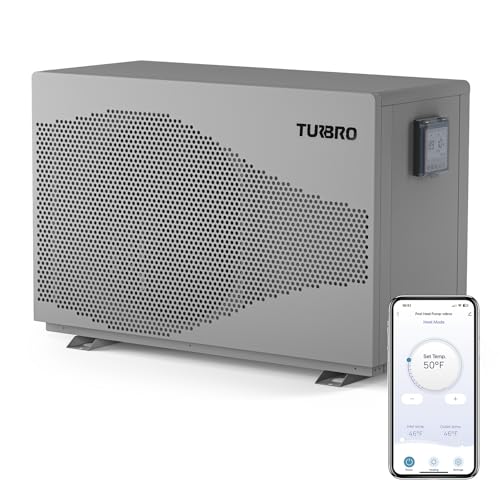
TURBRO 50,000 BTU Inverter Swimming Pool Heat Pump, Electric Pool Heater for in and Above-Ground Pools up to 16,000 Gallons, WiFi Enabled, Timer, 15.90 COP, 220-240 V, IPX4-Waterproof, Beluga Series
Check Price
 Option 2
Compare this option
TURBRO 33,000 BTU DC Inverter Swimming Pool Heat Pump, WiFi Control Electric Pool Heater for Above and Inground Pools up to 10,000 Gal, Heating and Cooling, Up to 15.8 COP, 110-120V, Beluga B33V
Check Price
 Option 3
Compare this option
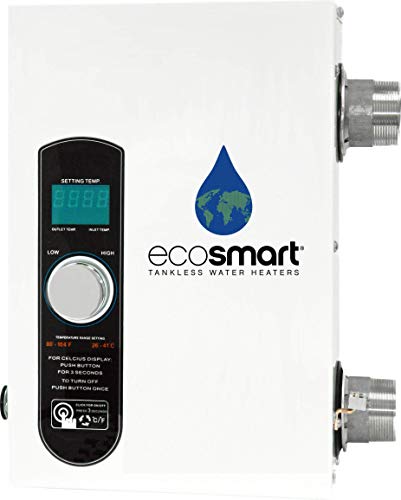
EcoSmart SMART POOL 18 Electric Tankless Pool Heater, 18kW, 240 Volt, 75 Amps with Self Modulating Technology
Check Price
With Labor Day weekends and late-summer entertaining on the horizon, choosing the right heater isn't just about temperature; it's about efficiency, reliability, and how many chemicals you'll actually need to balance a properly warmed pool.
⚡ Quick Answer: Best Pool Pumps
Best for Energy Efficiency: Aukivon 2026 Upgraded Solar Pool Heater with Adjustable Support Feet, Pool Heater for Above Ground Pool, Inground Pool Warmer, with 2 Adapters, 2 Hoses & Clamps, 2 Plumber Tapes, Thicken Connector
$175.99 — Check Price
Table of Contents
Main Points
- Gas heaters (150K–400K BTU options from Hayward and Pentair) heat fastest and work in any weather, but expect 30–50% higher operating costs and quarterly maintenance on burners and heat exchangers to prevent scale buildup.
- Heat pump models like the TURBRO series offer 3–5x better energy efficiency (15+ COP ratings) over time, making them ideal if you're willing to invest upfront for long-term savings and don't mind slower heat-up than gas.
- Solar heaters require zero fuel and nearly zero maintenance, but paired performance depends on climate, roof orientation, and pool size—the Aukivon works best as a supplemental warmer to reduce gas or electric demand, not a primary heat source.
- Propane vs. natural gas: propane heaters (like the Hayward FDP) cost more per BTU but give you flexibility if your home lacks a gas line; factor in tank refills and storage logistics before committing.
- Pool size matters critically—undersizing your heater leaves water cold and frustrating; oversizing wastes fuel; the 33K–50K BTU heat pumps suit 10K–16K gallon pools, while 150K–400K BTU gas heaters match 15K–40K+ gallon inground pools.
Our Top Picks
Affiliate disclosure: if you buy through these links, we may earn a commission at no extra cost to you.
Factors to Consider
Frequently Asked Questions
Should I heat my pool for Labor Day weekend or run it year-round?
A seasonal setup saves 60–70% in operating costs compared to year-round heating. If you're only using the pool Labor Day through September, a heat pump or smaller gas heater works perfectly and won't strain your budget; just drain and winterize afterward to avoid freeze damage and extend equipment life by years.
What's the difference between a heat pump and a gas heater for pool heating?
Gas heaters heat water in 2–4 hours but cost $3,000–$5,000 annually to operate; heat pumps take 8–24 hours but cost $600–$1,500 yearly and last 15+ years. Heat pumps work best above 50°F outdoor temperature, so they're ideal for Labor Day gatherings in temperate climates. Choose gas if you need fast warmup for occasional use; choose heat pump if you heat regularly or live in warm regions.
How do I prevent my heater from corroding or failing early?
Keep your pool's pH between 7.2–7.6 and alkalinity at 80–120 ppm—these ranges protect titanium and copper heat exchangers from chemical corrosion. Test water weekly with a quality kit (phenol red strips or digital testers work best), and run the heater only when water circulation is strong and the filter is clean. Proper chemistry maintenance adds 5–10 years to heater life and cuts repair calls dramatically.
Can I use my existing pump with a new heater?
Yes, if your pump delivers at least the heater's minimum flow rate (usually 40–60 GPM)—check both specs before purchasing. If your filter is clogged or your pump is undersized, the heater will underperform and overheat internally, risking failure. A simple backwash or filter cleaning often solves flow problems at zero cost; call a pro if you're unsure about your pump's capacity.
Is a solar pool heater worth it for Labor Day season use?
Solar heaters require $2,000–$4,000 upfront but cost nearly nothing to operate long-term, making them excellent for warm climates with 200+ sunny days yearly. They're slower than gas (3–5 degrees per day instead of per hour) but perfect for heating pools gradually throughout summer and early fall. If you have south or west-facing roof space and live in a sunny region, ROI typically hits 5–7 years; in cloudy areas, gas or heat pump is smarter.
What size heater do I need for a 15,000-gallon pool?
A 15,000-gallon pool heated with a gas heater typically needs 150,000–300,000 BTU to raise temperature 1–2°F per hour. A heat pump equivalent would be 1.5–2.5 tons. Run the calculation: multiply pool volume by 8.34 (pounds per gallon), then by desired temperature rise (usually 10–15°F for Labor Day comfort), and divide by hours available to heat—that gives you the minimum BTU per hour needed.
How often should I service my pool heater?
Inspect your heater monthly for leaks, corrosion, or strange noises—early detection prevents $1,000+ repair bills. Have a professional perform annual maintenance before the heating season (cleaning the burner, checking gas lines, flushing sediment), which typically costs $150–$300 and extends heater life 5+ years. Keeping water balanced and the filter clean between services is your best defense against premature failure.
Conclusion
Choosing the right pool heater for Labor Day 2026 comes down to matching heater type to your climate, sizing it correctly for your pool volume, and maintaining pristine water chemistry to protect your investment. A properly sized heater—paired with a clean filter, balanced chemistry (pH 7.2–7.6, alkalinity 80–120 ppm), and realistic budget awareness—will deliver warm, swimmable water without burning through money or equipment in one season.
For most Labor Day scenarios, a mid-range heat pump or 250,000–400,000 BTU gas heater combined with weekly water testing and filter maintenance will outperform expensive systems run by owners who skip chemistry checks. Pick your type, calculate real operating costs, and commit to the testing schedule—that discipline is what separates a heater that lasts 15 years from one that fails in three.


