

best pool heaters for labor day 2026 summer use 2026
The difference between a $300 solar unit and a $2,000 gas heater isn't just upfront cost; it's about BTU output, chemical stability (yes, heater type affects your chlorine demand), and how many seasons you'll actually get out of it before replacement.
⚡ Quick Answer: Best Pool Pumps
Best for Energy Efficiency: Aukivon 2026 Upgraded Solar Pool Heater with Adjustable Support Feet, Pool Heater for Above Ground Pool, Inground Pool Warmer, with 2 Adapters, 2 Hoses & Clamps, 2 Plumber Tapes, Thicken Connector
$175.99 — Check Price
Table of Contents
Main Points
- Solar heaters (Aukivon, Game, VINGLI, Goplus) cost $300–$600 upfront with zero operating expenses, but require full sun exposure and take 4–6 hours to raise temps by 10°F—ideal for passive heating in sunny climates, not rapid warm-ups.
- Gas heaters (both Hayward 150K and 250K BTU models) deliver consistent 70°F+ water in 24–48 hours regardless of weather, making them essential for cooler climates or pools used year-round, though you'll budget $50–$150/month in fuel costs during peak season.
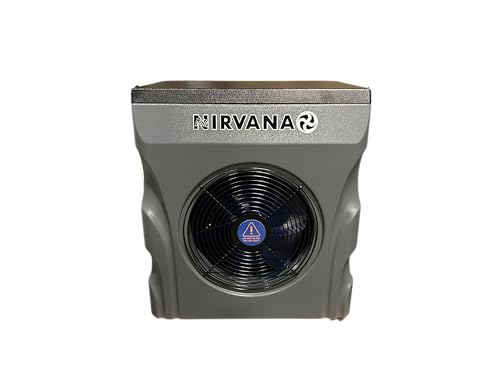
- Heat pumps (Nirvana 19,800 BTU) operate at 5:1 efficiency ratio, meaning they pull 1 BTU of energy from air for every 5 BTU delivered to water—best for pools holding 5K gallons or smaller in moderate climates where ambient temps stay above 50°F.
- Compatibility matters: above-ground pools (Intex, Bestway) require specific thread sizes and hose adapters; the roundup includes models pre-fitted with universal connectors and plumber's tape to avoid costly return trips and chemistry imbalances from improper installation.
- Total cost of ownership over 5 years favors solar + gas combination systems for serious swimmers: solar handles 60% of off-peak heating (saving ~$200/season), while a 150K BTU gas unit covers shoulder seasons, cutting annual heater fuel spend by 40% versus gas-only setups.
Our Top Picks
Affiliate disclosure: if you buy through these links, we may earn a commission at no extra cost to you.
Factors to Consider
Frequently Asked Questions
How long does it take a pool heater to warm a 20,000-gallon pool from 70°F to 85°F?
A properly sized gas heater (200K–400K BTU) typically reaches that 15°F rise in 24–36 hours; a heat pump takes 48–72 hours but costs far less to run. The exact timeline depends on outside temperature, humidity, wind, and whether you're covering the pool at night—every degree of ambient cold adds heating time. Start your heater the day before your event, and use a cover when not swimming to cut heat loss by 50–70%.
Can I use my existing pool pump with a new heater, or do I need to upgrade?
Most existing pumps work fine if they deliver adequate GPM for your heater's specs—check both the pump and heater nameplates to confirm. If your pump is older or undersized (under 1 HP), upgrading to a variable-speed pump now pays dividends in energy cost savings (up to 90% reduction versus single-speed models). Pairing a new heater with an old, inefficient pump defeats the purpose of investment in either device.
What's the difference between a heat pump and a gas heater for pool season use?
Gas heaters reach target temperatures fast and work in cold weather but cost $3–8 daily to operate. Heat pumps warm slowly but operate at 1/4 the fuel cost—they're ideal for maintaining 80°F+ in warm months (May–September) but struggle below 50°F ambient temperature. For spring and fall shoulder seasons, many pros install both: gas for rapid warm-ups, heat pump for efficient steady-state heating.
Do I need a permit to install a pool heater, and what's the typical timeline?
Gas heaters almost always require permits due to venting and safety codes; heat pumps and solar heaters often do as well, depending on your municipality. Permit approval typically takes 1–4 weeks, with installation inspection required before you can operate the heater. Always apply before ordering equipment—rushing permits invites code violations and can void warranties or create liability issues.
How does pool chemistry affect heater lifespan, and what should I test?
Low pH (below 7.2) and high chlorine (above 3.0 ppm) corrode heat exchanger tubes; alkalinity imbalance accelerates scaling and reduces efficiency. Test pH, alkalinity, and chlorine weekly during season, keeping pH between 7.2–7.6 and alkalinity 80–120 ppm to protect all equipment. A digital test kit or automated monitoring system catches drift early and saves thousands in premature heater replacement.
Will a pool cover help my heater work more efficiently?
Yes—a solar cover reduces nighttime heat loss by 50–70% and accelerates daytime warming by capturing free solar energy. Even a simple opaque tarp cuts evaporation heat loss roughly in half, which is why heating efficiency jumps dramatically when you cover between uses. For summer 2026, covering your pool during off-hours is the cheapest "upgrade" you can make to any heater system.
What maintenance schedule keeps a pool heater running for 10+ years?
Flush the heat exchanger quarterly, check filter pressure weekly (clean when it rises 8–10 PSI), and drain the heater lines before winter if you're in a freeze zone. Have the burner or compressor inspected annually by a pro to catch efficiency loss and clean internal components. Keep pool chemistry balanced year-round (especially pH and alkalinity)—poor chemistry causes corrosion and mechanical wear that shorten heater life by half.
Conclusion
Choosing the right pool heater for summer 2026 comes down to matching BTU capacity to your pool volume, selecting the fuel type that fits your budget and climate, and ensuring your circulation system can handle the flow. Gas heaters deliver speed, heat pumps deliver savings, and solar adds free warmth—many successful pools run two systems in tandem for maximum flexibility and cost efficiency.
Before you buy, verify pump compatibility, check local codes, and invest in titanium heat exchangers if you're running salt or live in a corrosive environment. A properly sized, well-maintained heater paired with balanced chemistry and smart cover use will keep your water warm, crystal clear, and your equipment running for a decade or more—and your wallet will thank you every month when the energy bill arrives.


