

how to prepare and maintain your pool for memorial day use 2026
By Lisa Brennan
Our Top Picks
Affiliate disclosure: if you buy through these links, we may earn a commission at no extra cost to you.


Memorial Day weekend is the unofficial start of summer—and the unofficial deadline for every homeowner to get their pool guest-ready. If you're planning to host, you're already thinking about deck furniture and grilled burgers. But here's what separates a successful pool party from a cloudy-water nightmare: preparation that starts months ahead, not days before. I've spent fifteen years keeping pools crystal clear through peak season, and the pools that perform flawlessly come May are the ones whose owners treat their equipment and chemistry like a predictable schedule, not a panic response.
This guide walks you through everything you need to do between now and late May 2026—from deep-cleaning your filter and resetting your chemical baseline to inspecting your pump for winter wear and testing your automation equipment. If you start planning in early spring, you'll spend less on emergency chemicals, avoid algae blooms, and actually enjoy your pool instead of troubleshooting it mid-party.
VEVOR FlashPure Sand Filter Pump, 16 in for Above Ground Pool, 1 HP 4400 GPH, Swimming Pool Filter System with Timer, 6X Faster Filtration with Media Installed, Leak-Resistant, Ready to Use Out of Box
$249.9Check Price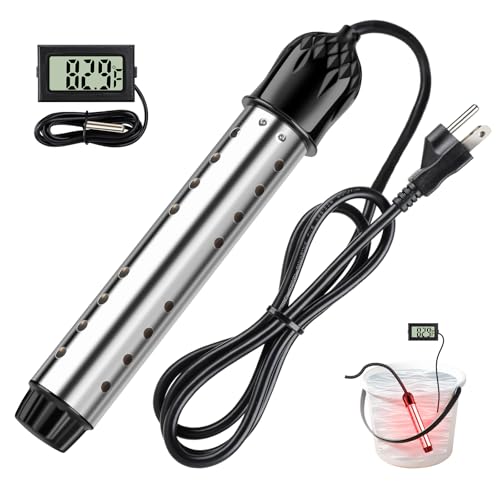
Table of Contents
- Start with a Complete System Inspection
- Deep Clean Your Filter Before High-Season Demand
- Establish Your Chemical Baseline 4-6 Weeks Out
- Test and Calibrate Your Automation and Lighting
- Create a Weekly Maintenance Routine You'll Actually Follow
- Plan for Peak-Season Chemistry Management
- Frequently Asked Questions
- Frequently Asked Questions
Start with a Complete System Inspection
Before you run your pump for the first time in 2026, do a physical walk-around of your entire pool equipment. Check your pump housing for cracks, corrosion, or loose unions—these fail silently and suddenly lose prime mid-summer. Inspect your filter tank for visible damage, and trace every visible hose for leaks, kinks, or deterioration. Winter temperature swings cause hose brittleness, and a pinhole leak in your return line wastes thousands of gallons and makes chemistry control impossible.
Open your pump basket and look for debris—leaves, ice damage, or sediment accumulation. Clean it thoroughly. Check your multiport valve or sand filter laterals for sand escape (if you see wet sand around the base of your filter tank, your laterals are cracked and you're headed for a filter replacement). Listen to your pump motor when it starts: any grinding, squealing, or unusual vibration means a bearing is wearing out. A wet pump seal or water pooling around the motor housing tells you the seal failed over winter and replacement is imminent.
If your pool has a robotic pool cleaner, test it in shallow water before relying on it for pre-party deep cleaning. Make sure the motor runs smoothly, the brushes aren't matted, and the filter bag isn't clogged with winter debris. A robot that seems "off" won't help you—it'll strand you with last-minute manual vacuuming instead.
Deep Clean Your Filter Before High-Season Demand
Your filter is the workhorse of clear water, and a filter full of accumulated oils, minerals, and biofilm can't perform at peak efficiency even if you backwash weekly. In spring, backwash your filter 2-3 times over a week to flush out winter sediment, then perform a deep chemical clean using a filter cleaner designed for your filter type. For sand filters, use a pool filter cleaner that breaks down oils and mineral buildup; for cartridge filters, soak the cartridges in a specialized cartridge cleaner for 12-24 hours, then rinse thoroughly. This one step reduces filter cycling time by 20-30% and lowers your energy costs all season.
If you use a diatomaceous earth (DE) filter, backwash aggressively, then perform a bump and drain cycle before adding fresh DE. Never skip the deep clean on DE filters—caked filter powder loses its micron advantage and becomes a bottleneck for water flow. For cartridge filters specifically, inspect the pleats for tears or permanent creasing. If you see damage, replace the cartridge. A torn cartridge lets debris bypass directly into your pool, undoing every bit of your chemistry work.
While your filter is fresh, test your pressure gauge against a known reference or have it professionally calibrated. An inaccurate gauge hides when your filter actually needs attention, leading to run-to-waste backwashing (which wastes water and chemicals) or neglect (which clogs your filter). A correct gauge reading is your first line of defense against a 4-hour filter crisis two days before your party.
Establish Your Chemical Baseline 4-6 Weeks Out
Six weeks before Memorial Day, drain your pool to 50% capacity and refill with fresh water. Yes, this is drastic—but it resets your mineral content, removes accumulated stabilizer buildup, and gives you a clean slate for the season. If you haven't drained in 2+ years, your cyanuric acid (stabilizer) level is almost certainly above 150 ppm, which locks up your chlorine and reduces its killing power by 50% or more. Fresh water costs far less than fighting algae blooms all summer.
Once refilled, test everything: pH, alkalinity, calcium hardness, free chlorine, total chlorine, stabilizer, and phosphates. Use a quality pool test kit with reagent bottles (not test strips—they drift in accuracy within months). Record all these numbers in a spreadsheet or notes app. These are your baseline targets. Your goal is: pH 7.2-7.6, total alkalinity 80-120 ppm, free chlorine 2-4 ppm, stabilizer 30-50 ppm for summer, and calcium hardness 200-400 ppm.
Adjust chemicals one at a time, waiting 4-6 hours between additions and retesting. If you add everything at once and something is off, you won't know which chemical caused the problem. Start with alkalinity (it affects pH stability), then pH, then chlorine. Once you're balanced, maintain this baseline religiously—take a test reading every 2-3 days through May leading up to your party. Chemistry that drifts slowly is far easier to correct than chemistry that crashes the day before guests arrive.
Test and Calibrate Your Automation and Lighting
If you have an automated controller or timer, test every circuit now. Check that your pump timer starts and stops at the right times, that your automation controller is registering water chemistry sensors (if equipped), and that all relays and contactors are responding. A malfunctioning timer might run your pump for 3 hours instead of 8, leaving your water under-filtered during your party. An automated chlorinator that's stuck on bypass mode won't dispense chlorine when you need it most.
Pool lights are a party essential, but they're also easy to overlook in spring. Test every light before May. LED lights are nearly indestructible, but older incandescent or halogen fixtures can have dead bulbs, corroded fixtures, or submerged timer boxes that accumulated moisture. A light that worked fine in October might not fire up in May. Replace any bulbs, test the fixture voltage with a multimeter if you're comfortable doing so, and make sure any underwater lighting is properly bonded for safety.
If you own a robotic pool cleaner with app-based scheduling or automation, power it up, download the latest firmware update, and run a test cycle. These devices have processors and Wi-Fi modules that can go stale over winter. A robot that won't connect to your phone or won't respond to start commands won't help you prep for your party—better to know now than to discover this three days out.
Create a Weekly Maintenance Routine You'll Actually Follow
Between now and Memorial Day, establish a non-negotiable weekly maintenance schedule and stick to it. Sunday mornings work for most people. Every week, spend 30 minutes doing these tasks: brush the walls and floor to remove algae growth before it takes hold, vacuum the pool (or run your robotic cleaner if you have one), skim the surface, clean the skimmer basket and pump basket, backwash or rinse your filter, and test your water chemistry. This routine costs you minimal time but prevents every major problem—algae, cloudy water, unbalanced chemistry, equipment strain.
If you live in an area with heavy pollen or tree debris, run your skimmer basket and robotic cleaner more frequently (2-3 times weekly). Organic debris is the primary food for algae. A robotic pool cleaner that runs 3-4 times weekly removes dead leaves, pollen, and debris before they decompose and feed algae growth. This is the single most cost-effective way to prevent algae blooms—one cleaner does as much algae prevention as $200 in shock and algaecide chemicals.
Track your weekly chemistry readings. If chlorine is dropping faster than expected (more than 1 ppm per day in sunlight), you might have a phosphate or ammonia issue hiding. If pH is drifting up consistently, your alkalinity is buffering the system too much. These patterns tell you what's happening so you can adjust before Memorial Day arrives and it's too late to fix anything gently.
Plan for Peak-Season Chemistry Management
Memorial Day weekend means more swimmers, more sunlight exposure, and faster chlorine consumption. Plan for this by understanding your pool's chlorine demand. If your baseline free chlorine is 3 ppm and it drops to 1 ppm by Friday evening during normal use, you're seeing a 2 ppm drop per week with minimal swimmers. During a party with 15-20 people swimming, expect chlorine to drop 1-2 ppm per day. Have enough chlorine on hand—liquid, tablets, or powder—to recover quickly if chlorine crashes.
Stock your chemical cabinet now with supplies you'll need: stabilizer (in case your cyanuric acid drifts too low), pH increaser and decreaser, alkalinity increaser, calcium hardness raiser, shock (calcium hypochlorite or sodium thiosulfate for pool-specific needs), and an algaecide as backup. Buy name-brand chemicals from trusted manufacturers—generic pool chemicals vary wildly in purity and reliability, and a bad batch of shock or algaecide mid-summer leaves you with an expensive mess.
Consider installing a pool cover for the weeks leading up to your party. A solar cover reduces evaporation by 70%, maintains water temperature, and prevents debris accumulation. This alone saves you 1-2 ppm of chlorine loss per day by limiting UV exposure and keeping your filter clean. If a storm passes through, cover the pool immediately—wind-blown debris and heavy rain can throw off your pH and introduce phosphates that feed algae.
Frequently Asked Questions
Should I drain my entire pool or just 50%?
For most residential pools, draining 50% is sufficient. It resets stabilizer and mineral levels without requiring a full drain, which stresses equipment and plumbing. Only do a full drain if you have visible algae stains, calcium scaling, or haven't drained in 5+ years. A full drain also risks hydrostatic pressure damage to underground pools in areas with high water tables.
How often should I run my pump during spring preparation?
Run your pump 8-12 hours daily during spring prep to build turnover and filter efficiency. As you get closer to your party (final 2 weeks), run it 12-16 hours daily. This ensures complete water circulation, faster chemical distribution, and maximum filter performance. Don't run it 24/7—equipment needs 6-8 hours off daily to prevent premature wear.
What if I find my filter is cracked or damaged during inspection?
A cracked filter tank cannot be sealed and will fail catastrophically under pressure. Order a replacement immediately—lead times can stretch 2-3 weeks in peak season. If you're close to your party and replacement arrives too late, contact a local pool service for emergency filter repair or rental. A broken filter is worse than no pool equipment; it can damage your pump and cause flooding.
Can I use test strips instead of a reagent test kit?
Test strips are convenient but notoriously in
Choose a pool pump based on your pool size and circulation needs. Look for energy-efficient models with variable speed options to save on electricity costs and improve water flow. Deep clean your pool filter by backwashing or using a filter cleaner to remove debris. Ensure the filter media is fully saturated and rinsed thoroughly to maintain optimal water flow and clarity. Test your pool water regularly using a pool test kit to determine pH, chlorine, and alkalinity levels. Adjust chemical balances gradually to avoid shocking the pool and ensure safe, clear water by the weekend. A robotic pool cleaner is worth the investment if you want hassle-free cleaning and to maintain water clarity. It can efficiently remove debris and dirt, reducing manual cleaning time and improving overall pool maintenance. Use a balanced combination of chlorine, pH increasers, and alkalinity adjusters. These chemicals help maintain proper water balance, ensuring a safe and comfortable swimming environment for Memorial Day. Clean and dry your pool cover thoroughly before storage. Store it in a cool, dry place away from direct sunlight to prevent damage and extend its lifespan for next season. Check your pool pump, filter, heater, and chlorinator during a system inspection. Ensure all components are functioning properly and look for signs of leaks or wear to prevent unexpected breakdowns during peak usage.Frequently Asked Questions
How do I choose the best pool pump for my pool?
What is the best way to clean my pool filter before high-season demand?
How can I establish my pool chemical baseline 4-6 weeks before Memorial Day?
Is a robotic pool cleaner worth the investment for Memorial Day preparation?
What are the best pool chemicals for balancing water in the spring?
How do I properly store my pool cover for the off-season?
What should I check during a complete system inspection before Memorial Day?
🛒 Relevant Products for This Topic
Affiliate disclosure: if you buy through these links, we may earn a commission at no extra cost to you.
VEVOR FlashPure Sand Filter Pump, 16 in for Above Ground Pool, 1 HP 4400...
$249.9
View Product Details →Sun2Solar Blue 16 ft x 36 ft Rectangle Solar Cover | 1200 Series | Heat...
$159.99
View Product Details →Portable Water Heater for Buckets & Tubs, 2000W Immersion Heater with...
$27.58
View Product Details →

