

Best Pool Filters For Everyday Use In 2026
🏆 Top Picks at a Glance
 #1
Best Overall
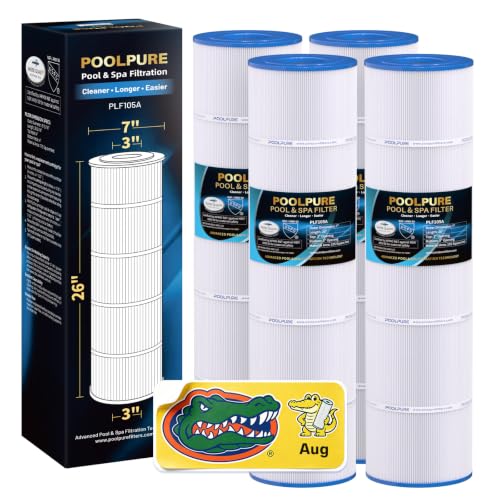
POOLPURE CCP420 Pool Filter Replaces Pentair Clean and Clear Plus 420 4Pack
$169.99
Check Price → #2
Runner Up
Jandy CL460 Pool Filter Cartridge Replacement for CV460,PJAN115,C-7468,FC-6410,FC-0810,115sq.ft,4Packs-Upgraded Material
$165.99
Check Price → #3
Best Value
Type A or C Replacement Filter Cartridge for Intex Above Ground Pools
$31.99
Check Price →Clear water starts with a filter that matches the pool, not the biggest number on the box. PoolChecker identifies sand, cartridge, and diatomaceous earth (DE) as the three primary filter types; sand typically filters about 15–20 microns and normally runs around 10–15 PSI, with backwashing due every 2–3 weeks or after a 7–10 PSI rise. This shortlist leans heavily toward cartridge replacements—from Pentair Clean & Clear Plus 420 and Jandy CL460-compatible options to Intex Type A/C cartridges—so we’ll focus on exact fit, dirt-holding capacity, cleaning effort, and real yearly cost. Model Rec’s three-month test of eight models across three pools in Arizona, Florida, and Tennessee, including daily use, crowded weekends, and a dust storm, reinforces the practical rule: choose for pool size, climate, bather load, and maintenance tolerance.
⚡ Quick Answer: Best Pool Filters
Best Bulk Replacement Pack: POOLPURE CCP420 Pool Filter Replaces Pentair Clean and Clear Plus 420 4Pack
$169.99 — Check price on Amazon →
Table of Contents
Main Points
- Verify compatibility before buying an aftermarket cartridge. Match the exact filter housing, pump model, dimensions, and part number; “Type A or C” is not precise enough by itself, and the Pentair CCP420 and Jandy CV460/PJAN115 replacements require their own model-specific checks.
- Compare filter area with your pool’s debris load. For perspective, the Pentair Clean & Clear Plus is listed with 320 square feet of cartridge area, while the Hayward SwimClear is listed with 425 square feet; more media area can provide greater dirt-holding capacity and longer cleaning intervals when the system is correctly sized.
- Price replacement packs by annual cost, not just the package price. The INTEX 29002E is a two-pack Type A cartridge for INTEX filter pumps, while other Type A/C listings offer different pack counts, so factor in how often you replace cartridges and whether buying a larger pack actually lowers the cost per season.
- Do not apply sand-filter maintenance rules blindly to cartridge filters. Cartridge media uses pleated polyester and avoids harsh backwashing, while PoolChecker’s 7–10 PSI pressure-rise guideline is for sand filters; use your pressure gauge together with the manufacturer’s cleaning and replacement instructions.
- Choose for real operating conditions, not filtration type alone. Model Rec tested eight models over three months in Arizona, Florida, and Tennessee under normal use, heavy-bather weekends, and a dust storm, showing why pool size, climate, bather load, and your tolerance for routine maintenance all matter.
Our Top Picks
Affiliate disclosure: if you buy through these links, we may earn a commission at no extra cost to you.
Factors to Consider
Frequently Asked Questions
Is a sand, cartridge, or DE filter best for everyday pool use?
There is no universal winner because the best choice depends on pool size, climate, bather load, water availability, and how much maintenance you are willing to do. Sand filters suit large, high-traffic, budget-conscious pools; cartridge filters reduce backwashing and water waste; and DE filters suit owners who want finer filtration and are comfortable with more involved upkeep.
How often should I backwash a sand pool filter?
PoolChecker says sand filters should generally be backwashed every 2–3 weeks or when pressure rises about 7–10 PSI above the normal reading. Use the pressure gauge and your manufacturer's instructions together, and expect to clean more often after a dust storm or unusually heavy pool use.
What does a 15–20 micron sand-filter rating mean?
A 15–20 micron rating is an approximate indication of the particle size a sand filter can remove under normal operating conditions, according to PoolChecker. A lower micron number can indicate finer particle capture, but clear water still depends on proper circulation, filter sizing, and balanced pH, alkalinity, and sanitizer levels.
What size pool filter do I need?
Match the filter to your pool's water volume, pump flow, required turnover, local climate, and expected bather load rather than choosing by tank size alone. Extra filter area provides useful capacity during heavy use and dirty-weather events, but confirm that the filter and pump are compatible with the manufacturer's flow requirements.
Are cartridge filters cheaper to operate than sand filters?
They can be, especially when saving water and avoiding the chemical loss associated with backwashing are important. However, cartridge filters still require periodic removal and cleaning, and replacement cartridges add an ongoing expense, so compare the full maintenance cost rather than the purchase price alone.
How long does sand-filter media usually last?
PoolChecker reports that sand-filter media typically lasts approximately 5–7 years before replacement. Proper backwashing, correct flow, and balanced water can help the media perform consistently, but follow the filter manufacturer's guidance and replace it sooner if filtration performance cannot be restored through normal maintenance.
Can I use an aftermarket replacement cartridge?
Yes, provided it matches the exact filter model and the required dimensions, end caps, seal, pleat design, and square-foot rating. Model Rec tested both complete filter systems and aftermarket cartridges, while the INTEX 29002E Type A illustrates why buyers should verify the specific pump or filter compatibility instead of assuming that a general cartridge type will fit.
Conclusion
For most everyday pools, I recommend an appropriately oversized cartridge filter when conserving water and reducing routine maintenance matter; choose sand instead for a large, high-traffic pool on a budget, and DE when maximum fine-particle filtration justifies more hands-on care. Whichever filter you buy, record the clean pressure, follow the manufacturer's cleaning schedule, and keep pH, alkalinity, and sanitizer balanced—the routine is what keeps water clear and equipment running for years.


